
Vetonite Plaster Spraying
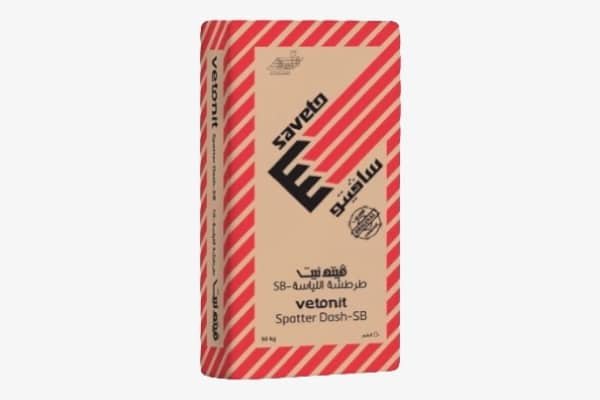
Technical review pending. This reference record is awaiting verification against current manufacturer documentation. Confirm numerical values, product suitability and installation requirements before specification or use.
Overview
Vetonite plaster spraying is a cement-based premixed material designed for surface preparation before applying final plaster layers. It enhances adhesion, prevents cracks, and ensures a durable finish. This material is ideal for both interior and exterior applications and works effectively on concrete, blockwork, and brick surfaces.
Why You Should Use It?
- Enhances Adhesion: Creates a rough texture for better plaster grip.
- Crack Prevention: Reduces surface shrinkage and cracking.
- Weather Resistance: Suitable for indoor and outdoor use.
- Easy Application: Can be applied manually or using a spraying machine.
Key Features
| Property | Description |
|---|---|
| Base Material | Cement-based |
| Adhesion Strength | High |
| Application Method | Manual or spray application |
| Resistance | Weather and moisture-resistant |
| Suitable Surfaces | Concrete, brick, and blockwork |
| Packaging | Available in 50 kg bags |
Uses
- Plaster Preparation: Provides an ideal surface for smooth plastering.
- Restoration Work: Used in repairing old and deteriorated surfaces.
- Exterior and Interior Finishing: Ensures strong bonding for finishing layers.
Density and Consumption
| Property | Value |
|---|---|
| Density | 1.6 g/cm³ |
| Coverage | 1.5–2.0 kg per m² (depending on surface type) |
Application Steps
- Surface Preparation: Clean the surface from dust, grease, and loose particles.
- Mixing: Add water gradually and mix until achieving a homogeneous consistency.
- Application: Apply manually with a trowel or use a spraying machine.
- Drying Time: Allow 24 hours before applying the final plaster layer.
Installation and Maintenance
- Installation: Ensure even application for best results.
- Maintenance: Regular inspections prevent surface deterioration over time.