
Indonesian Consulate in Jeddah: Bespoke Architecture and 98.7% Local Material Content
Originally published 2 March 2025. Updated 26 September 2026 with the Indonesian Consulate material-sourcing case study.
A bespoke building begins with a specific brief: who will use it, how daily life will unfold, and what relationship it should have with its setting. Its identity emerges through the connection between spaces, light, materials and construction. The idea of a building that “speaks” is most useful when it can be translated into decisions that can be drawn, specified and built.
From personal brief to material choices
The original theme of this article is architecture shaped around its users. That process involves listening, testing alternatives and making priorities clear. A room may need privacy and daylight; an entrance may need to express identity while remaining legible to visitors. Material selection gives these intentions a physical form.
Stone, timber, metal and other finishes carry visual and tactile associations, but appearance is only one part of the brief. Availability, detailing, maintenance and the skills required to install an assembly also influence the result. A distinctive design depends on how these considerations are resolved together.
Project case study: the Indonesian Consulate in Jeddah
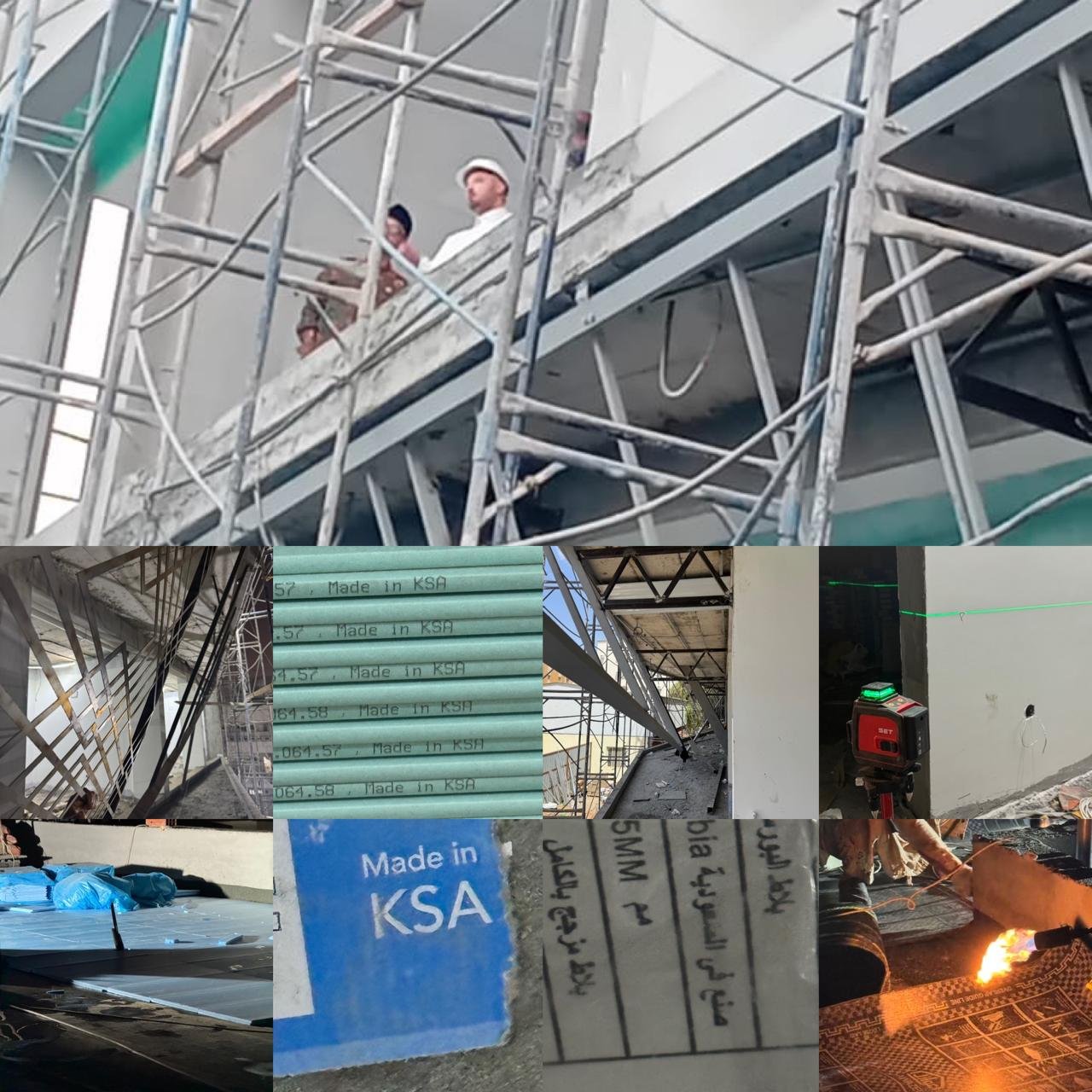
The Indonesian Consulate provides a concrete example of the relationship between architectural intent and material sourcing. In a report published on 6 April 2026, INJ Architects states that the project achieved 98.7% local content based on project data sheets. The practice is led by Ibrahim Nawaf Joharji.
The report describes locally manufactured materials and systems across structural work, architectural elements and building services. Material sourcing is considered alongside technical compliance and execution planning, connecting design decisions to the supply chain used to deliver them.
What the reported figures mean
The source distinguishes its 98.7% data-sheet figure from an estimated 99.2% based on executed construction volumes. The latter remains subject to final validation. These are different calculation bases, not interchangeable measurements, and both figures are attributed to the project team rather than independently certified by BLDXY.
The Indonesian Consulate project documentation provides further context for the building.
A blueprint that can be built
For a materials database, the practical lesson is to connect a design intention with an identifiable product or assembly and its documentation. A useful record states what the material is, where it is intended to be used, and which claims have supporting evidence. This keeps the character of a bespoke project connected to the realities of procurement and construction.