
Red Brick
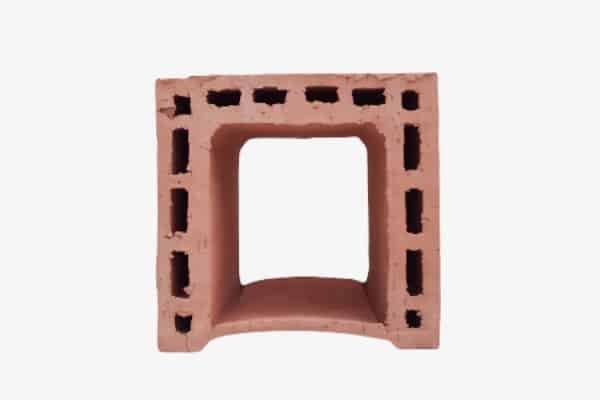
Technical review pending. This reference record is awaiting verification against current manufacturer documentation. Confirm numerical values, product suitability and installation requirements before specification or use.
Overview:
Red brick is one of the oldest and most commonly used building materials, known for its durability, strength, and aesthetic appeal. Made primarily from clay and fired at high temperatures, it is widely used in walls, facades, and load-bearing structures. Red bricks are favored for their thermal insulation, fire resistance, and long lifespan, making them a staple in traditional and modern construction.
Why You Should Use It:
- High Durability: Resistant to weathering, fire, and mechanical stress.
- Thermal Insulation: Helps regulate indoor temperatures efficiently.
- Aesthetic Appeal: Classic red hue enhances architectural beauty.
- Sustainability: Made from natural materials and fully recyclable.
- Fire Resistance: Withstands high temperatures, making it ideal for fireplaces and ovens.
- Load-Bearing Strength: Suitable for structural walls and buildings.
Key Features:
| Property | Description |
|---|---|
| Density | 1600–1900 kg/m³ |
| Thermal Conductivity | 0.6–0.9 W/m·K |
| Compressive Strength | 7.5–15 MPa |
| Water Absorption | 10–20% |
| Fire Resistance | Excellent (up to 1000°C) |
| Sound Insulation | 40–50 dB |
| Lifespan | Over 100 years |
Uses:
- Structural Walls: Load-bearing and non-load-bearing walls.
- Facades & Decorative Walls: Adds an elegant, traditional look.
- Fireplaces & Ovens: Ideal for heat-intensive structures.
- Garden & Pavement Edging: Used in landscaping for decorative borders.
- Acoustic Barriers: Helps reduce noise pollution in urban areas.
Dimensions:
| Dimension | Size Range |
|---|---|
| Length | 190 mm – 250 mm |
| Width | 90 mm – 120 mm |
| Height | 50 mm – 80 mm |
Density:
- Dry Density: 1600–1900 kg/m³
- Saturated Density: 2000–2200 kg/m³
Applications in Practice:
Red bricks are used in everything from simple homes to large commercial buildings. Their durability and insulating properties make them an essential component in sustainable construction.
Installation Recommendations:
- Mortar Selection: Use cement-lime or sand-cement mortar for proper adhesion.
- Proper Stacking: Arrange in staggered patterns to enhance strength.
- Curing Process: Allow bricks to set and cure to achieve maximum durability.