
Concrete Parking Barriers
Technical review pending. This reference record is awaiting verification against current manufacturer documentation. Confirm numerical values, product suitability and installation requirements before specification or use.
Overview
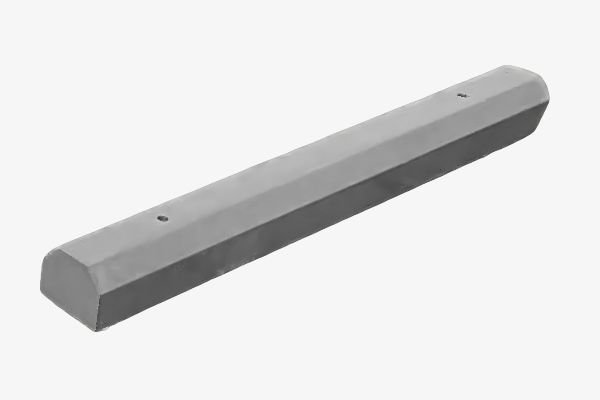
Concrete parking barriers are robust structures designed to prevent vehicles from going beyond designated parking spaces. They help protect infrastructure and other parked vehicles, as well as minimize damage to curbs and walls.
Why Use Concrete Parking Barriers?
- Protection of Infrastructure – Prevents vehicles from damaging nearby structures.
- Vehicle Control – Guides cars into parking spots to ensure proper parking.
- Durability – Made from high-strength concrete for long-lasting use.
- Low Maintenance – Requires minimal upkeep due to its strong construction.
Common Uses
- Parking Lots – Used to organize and protect parking spaces.
- Car Parks – To separate rows of parked vehicles.
- Industrial Areas – Protects important areas from vehicle encroachment.
- Private Properties – Used for private parking spaces or driveways.
Specifications
| Property | Value |
|---|---|
| Material | High-strength concrete |
| Size | 1000 mm (length) x 150 mm (height) |
| Weight | 80 kg each |
| Color | Grey or customizable |
| Durability | Long-lasting with minimal wear |
Installation Steps
- Measure the Area – Determine the correct placement and number of barriers.
- Place Barriers in Position – Arrange barriers to cover the designated parking zones.
- Anchor Properly – Ensure that barriers are firmly fixed to prevent movement.
- Check for Alignment – Make sure all barriers are evenly spaced.
Maintenance
- Check for Damage – Inspect barriers for cracks or wear and replace if necessary.
- Clean Regularly – Remove dirt and debris to maintain visibility and aesthetics.
- Repair Minor Issues – Patch small chips or cracks with concrete filler.