
Scratch Coat (Tartasha)
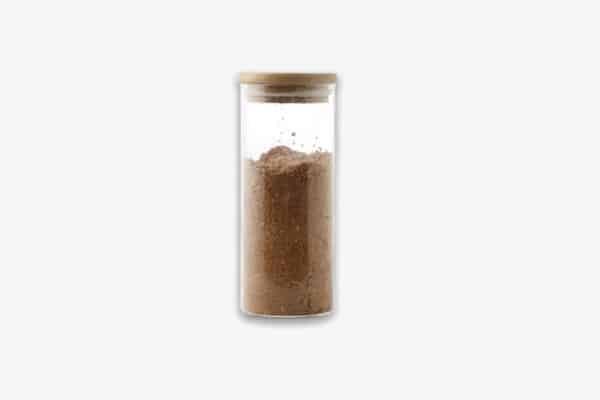
Technical review pending. This reference record is awaiting verification against current manufacturer documentation. Confirm numerical values, product suitability and installation requirements before specification or use.
Overview:
A scratch coat, also known as “Tartasha” in Arabic, is the first rough plastering layer applied to walls and ceilings before the final finishing coat. This layer provides a textured surface to enhance adhesion for subsequent layers, ensuring durability and long-lasting plasterwork. It is commonly used in masonry, concrete, and blockwork applications.
Why You Should Use It:
- Enhances Adhesion: Creates a rough base for the finishing coat.
- Prevents Cracks: Reduces shrinkage and structural cracks in plaster.
- Durable & Strong: Increases the longevity of the plaster system.
- Weather Resistant: Protects against environmental damage.
- Improves Load Distribution: Helps evenly distribute stress across walls.
Key Features:
| Property | Description |
|---|---|
| Material Composition | Cement, sand, and water |
| Application Thickness | 5–10 mm |
| Texture Type | Rough and uneven |
| Drying Time | 24–48 hours before applying the next coat |
| Bonding Strength | High adhesion for better plaster durability |
Uses:
- Base Layer for Plastering: Prepares the surface for the final smooth coat.
- Masonry & Concrete Walls: Enhances plaster adhesion to rough surfaces.
- Ceiling Coating: Ensures plaster sticks properly on ceilings.
- Exterior Wall Coating: Provides additional protection against moisture.
- Renovation Projects: Improves adhesion in restoration works.
Density & Composition:
| Factor | Value |
|---|---|
| Density | 1600–1800 kg/m³ |
| Cement Content | 1:2 or 1:3 (cement to sand ratio) |
| Water Absorption | Medium, allowing better bonding |
Application Recommendations:
- Use Proper Mixing Ratio: 1 part cement to 2 or 3 parts sand for best results.
- Keep Surface Moist: Dampen the surface before application for better adhesion.
- Use a Notched Trowel: Creates grooves to improve mechanical bonding.
- Allow Proper Curing: Keep the scratch coat moist for at least 3 days.